This is The Pleiades Five
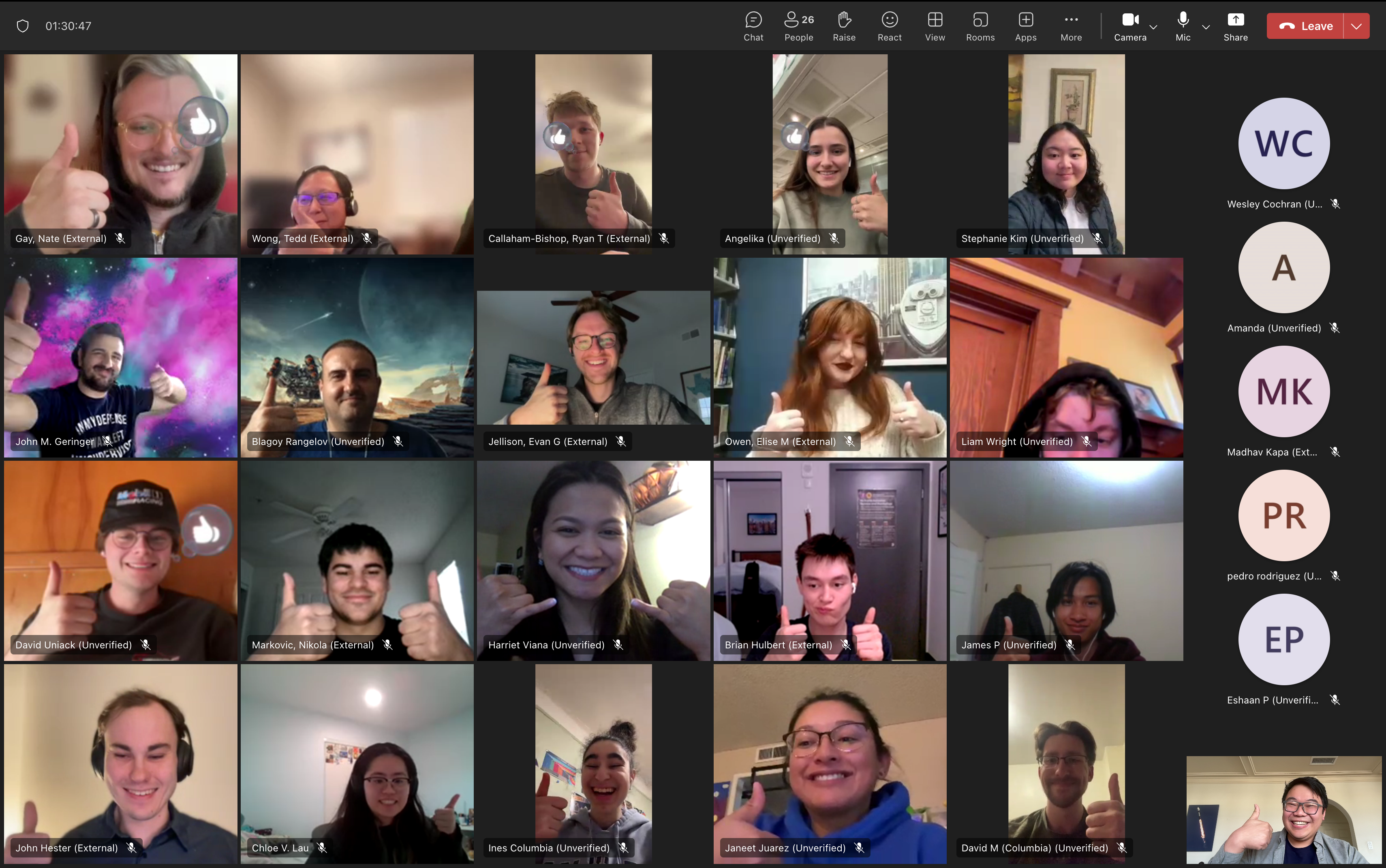
Figure 1: The First Pleiades Five Coordination Meeting
The Original Manifest for the Pleiades Five Mission
The primary objective of the Pleiades CubeSat Cluster Program is to inspire, enable, and enhance educational outcomes for students entering the Space Industry. As a program initiated by students and focused on universities, the Pleiades team believes that hands-on learning is essential to equip students for the future. The Pleiades Five brings together five collaborating organizations along with the lead, Bronco Space at Cal Poly Pomona, for an ambitious educational initiative involving the launch and operation of a fleet of six 1U CubeSats (each weighing approximately 1 kg), named Pleiades-Alcyone, Pleiades-Atlas, Pleiades-Electra, Pleiades-Maia, Pleiades-Tauri, and Pleiades-Taygeta. To achieve this, the Pleiades Program seeks to offer a unified pathway that enables students to design, test, launch, and operate an educational 1U CubeSat within one academic year for an unprecedentedly low cost. By simplifying the mission scope and streamlining the design process, students can quickly acquire a foundational understanding of three key concepts - what satellites are, what they do, and how they are be used.
The Pleiades Five mission was originally chartered to realize the vision laid out for The Pleiades CubeSat Cluster in 2021. Awarded a launch in 2024 by the NASA CubeSat Launch Initiative (CSLI) and manifested for deployment from the International Space Station (ISS) before the end of 2025, this mission seeks to chart a course for universities to participate and contribute to the New Space Industry at an very low cost. Aside from the lead institution (Bronco Space at Cal Poly Pomona) all of the universities whom are a part of the Pleiades Five have never flown a student led satellite mission.
| CubeSat Name | University |
|---|---|
| Pleiades-Alcyone | Columbia University |
| Pleiades-Atlas | Northeastern University |
| Pleiades-Electra | University of California, Santa Cruz |
| Pleiades-Maia | Texas State University |
| Pleiades-Taygeta | Cal Poly Pomona & Mt. SAC |
The primary goals and objectives for The Pleiades Five mission revolve around fostering a community of practice for open source university space ventures. Traditionally, most small scale space missions from academia have been single institution and relied very little or not at all on community support. We hope that the Pleiades Five will be able to create, demonstrate, and maintain a different way of doing things that is underlined by intensive collaboration among those interested in sustainably exploring spaceflight.
Mission Goals
| Goal # | Goal Statement |
|---|---|
| G.1.0 | Improve educational access to open CubeSat architectures. |
| G.2.0 | Provide experiences that create an intuitive understanding of satellite and space mission architectures among students looking to join the space industry. |
| G.3.0 | Foster collaborative communities among academia and students who will become the future generation of the space industry. |
| G.4.0 | Encourage diverse participation and innovation among the CubeSat community. |
Mission Objectives
| Objective # | Objective Statement |
|---|---|
| Ob.1.0 | Develop a basic understanding of satellite and space mission architectures: By the end of the program, students should be able to demonstrate a basic understanding of satellite and space mission architectures, including the types of orbits, launch vehicles, and key components of a space mission. |
| Ob.2.0 | Gain hands-on experience with space technologies: Students shall have hands-on experience with integration, test, and operation of space technologies through the use of an educational 1U CubeSat Kit. |
| Ob.3.0 | Work collaboratively in a team: Students shall be able to work collaboratively in inter-university teams to execute a complex space mission project, preparing them with problem-solving, decision-making, and communication skills. |
| Ob.4.0 | Foster and solidify interest in the space industry: Through their experiences in the program, students should develop a stronger interest in the space industry and be motivated to pursue further education and career opportunities in this field. |