Why PROVES?
When designing the PROVES kit we wanted to emphasize a few things:
- Simplicity
- Affordability
- Accessibility
When designing the PROVES 1U CubeSat Kit we wanted to remove as much complexity as possible from the design. This is mainly due to the pains that we experienced when working with PyCubed based satellites like BroncoSat-1, Pleiades - Yearling 1, and QubeSat from UC Berkeley. Having to deal with a rats nest of wires and hundreds of pages of assembly documentation not only seriously slows down the integration process, but also introduces way more potential points of error.
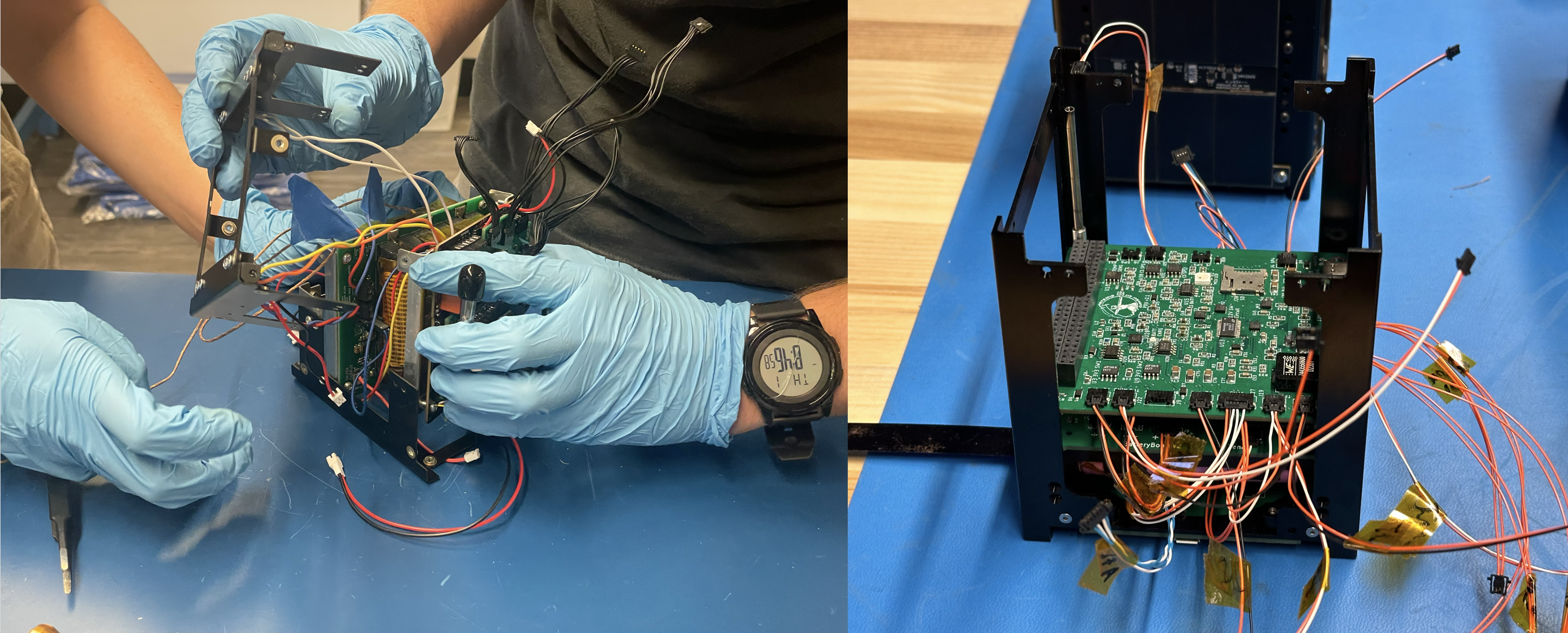
Figure 1: This is what we are trying to avoid!
So enter the original premise of the Pleaides Rapid Orbital Verification Experiment System (PROVES) Kit! The idea here was to try and remove as much complexity from the satellite as possible in order to make it as straightforward and easy to work with as can be. We needed to set some kind of measurable benchmark for whether or not we achieved this goal, so we decided to go for two things:
- The CubeSat Bill of Materials shall cost no more than $1000.
- It shall be possible for two people to build the entire CubeSat from the kit components in one day.
Both of these requirements became the guiding star by which we designed the PROVES Kit over the last couple of years.
But Why CubeSats at All?
In some ways the humble CubeSat (at least in the United States) is on something of a decline. This is evidenced by year over year declining attendance for the annual CubeSat Developer's Workshop in San Luis Obispo (while the annual SmallSat conference in Logan has consistently grown year over year) and also in signals such as the lack of robust funding opportunities for CubeSat scale missions.
Although CubeSats have truly revolutionized the space community through drastically lowering the barier to entry in terms of launch cost, we believe much of this decline can be attributed the realization that CubeSats (to date) have not been able to drastically reduce the overall cost of a space mission. Although the Price per Kilogram to orbit has significantly come down in recent years (especially thanks to SpaceX Rideshare missions) the overall cost of conducting a space mission has not yet reduced to the point where it is generally accessible for academia to conduct them.
New Space is Priced for Venture Captial
Although the price per kilogram to get something to orbit has come down significantly in the last few years it is still a very long way away from being affordable. With the commerical rate to deliver CubeSats to orbit hovering around $50k / U, launch costs fit decently inside multi-million dollar venture captial rounds, but will quickly blow through grants and other forms of funding for innovative research that don't require a 100x potential upside.